The Beni: The Birds (6 of 7)

And now for the Really Good Stuff...
I have absolutely no complaints about my birding on this trip, I was given a list of the area by Toa that some ¨professional¨ birder put together, and got turned loose like a kid in a candy store. The origional list had recorded 184 species, and I ended up with a list for Betania of 223 species. I actually got to the point where I stopped seeing new birds every day, which is a little wierd for the tropics. Anyway, I can think of one serious birder that is our there in reader land, and I will send you a complete list once I can compile it. The rest of you I am sure would be much less than excited to read the full list, so I will fill most of the post with pretty pictures of some of my favorite species that I saw, which I have merrily stolen from the net. The only birds that I will talk about in any detail are the ones that I studied, the nearest and dearest to my heart...
Blue-throated Macaw
The world´s rarest wild Macaw, with only a few hundred in the wild and a few thousand in captivity. The photo at the top of the post is of a pair of captives, I should have some cool photos to put up as soon as I can develop them. Anyway, they are huge parrots, with bright yellow bellies, turquoise blue backs and throats. We almost always find them in pairs, squaking loudly as they wing overhead, their long tails and strong wings give them a powerful, stable flight profile. I was in charge of keeping up with four pairs in the vicinity of Betania, only one of which actually got around to laying eggs and raising chicks. This pair made their nest in the hollowed-out top of a dead Motacu palm, and are the ones that I am the most familiar with and am the most attatched.
The adult male is named Ala (wing) and the female is named Oración (prayer), a particularly appropriate couple of names, since the specie´s future is a long way from certain, and our hopes literally are resting on a Wing and a Prayer. They hatched three eggs initially, and the three chicks were less cerimoniously named Itchy, Scratchy, and Poochy. Poochy got pushed out of the nest within the first week by Itchy and Scratchy, and unfortunately died of exposure before we returned the next day. Scratchy was also later killed by Itchy, as part of a brutal but common practice that a lot of large birds do, the seemingly cruel art of Siblicide.
I am sure that those of you with siblings can remember times when you would have liked nothing more than to throttle or lock a brother or sister outside forever, but fortunately it doesen´t work that way with us (I hope), else I would have spent a lot of time outside with a sore neck in my childhood. The basic idea is that the birds are hedging their bets by laying more eggs than they can possibly raise to adulthood, so if one doesn´t hatch or dies, they still have the others. If all goes well with the eggs, though, you end up with three chicks spaced about three days apart in age, and the youngest and smallest almost invariably dies either by parental neglect or at the malicious beaks of its larger, older siblings. As the remaining two get bigger, the same fate often befalls the middle chick. Itchy is the oldest, and therefore strongest, largest, better-fed, and overall better-off bird than poor Scratchy. We don´t have permission or the capability of hand-rearing the chicks in the field (I´m told that this will be happening with the project next year), so we could do little but wait and watch and hope that Itchy would tolerate Scratchy. Given their namesakes, I guess I shouldn´t be surprised, but it was still absolutely heartbreaking when the inevitable happened. It is an unfortunate habit for a critically endangered species to have, but hopefully with our findings this year, something can be done to help the situation next year.
Itchy has gradually morphed from a naked, blind little lump of pink skin into a loud, beautiful, and extremely spunky parrot. When he was younger, I used to calm him down by letting him chew on my finger while we took our measurements, but that is no longer a good idea, as his bill and strength have increased to the point where he can do some real damage, making life difficult for Uncle Chris and Uncle Paco. He definitely has a serious chip on his wing, which gives me hope for his long-term success in life.
At any rate, they are beautiful, wonderful birds and I was very sad to leave them. Best of luck to them all.
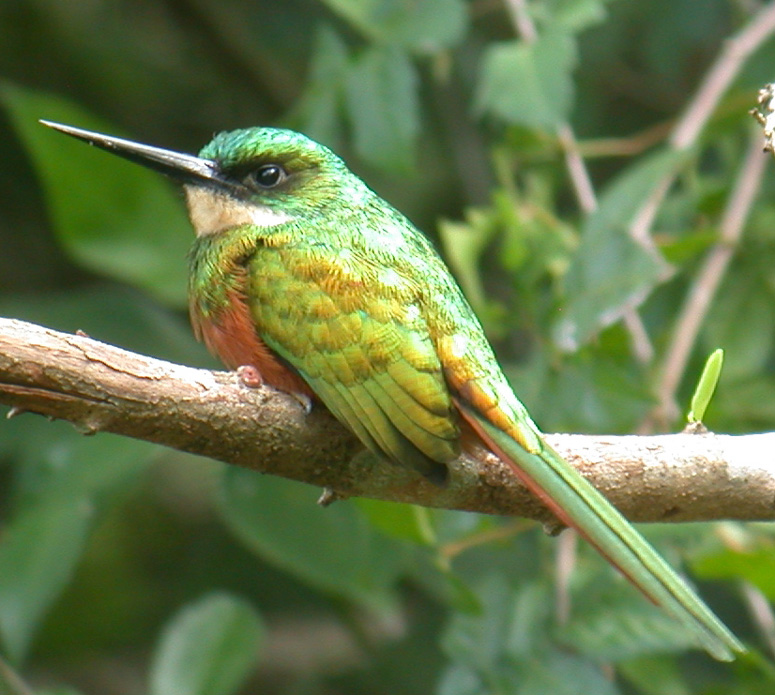
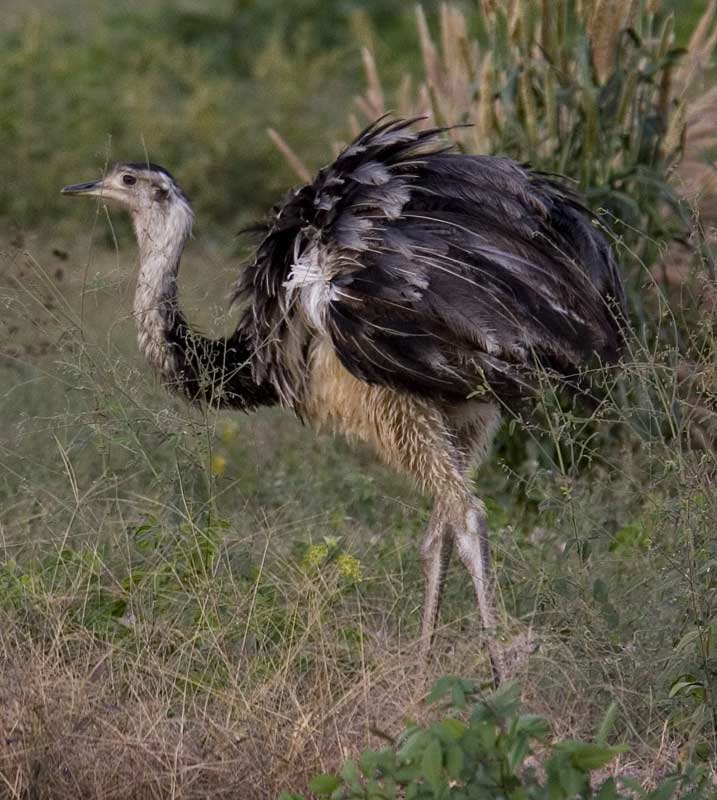
And now, as promised, here are some of my favorites of the trip thus far...

-04.jpg)



posted by Chris Duke @ 9:50 AM
0 comments


0 Comments:
Post a Comment
<< Home